
Who's Really in the Bubble?
ICAST needs fly fishing more than fly fishing needs ICAST

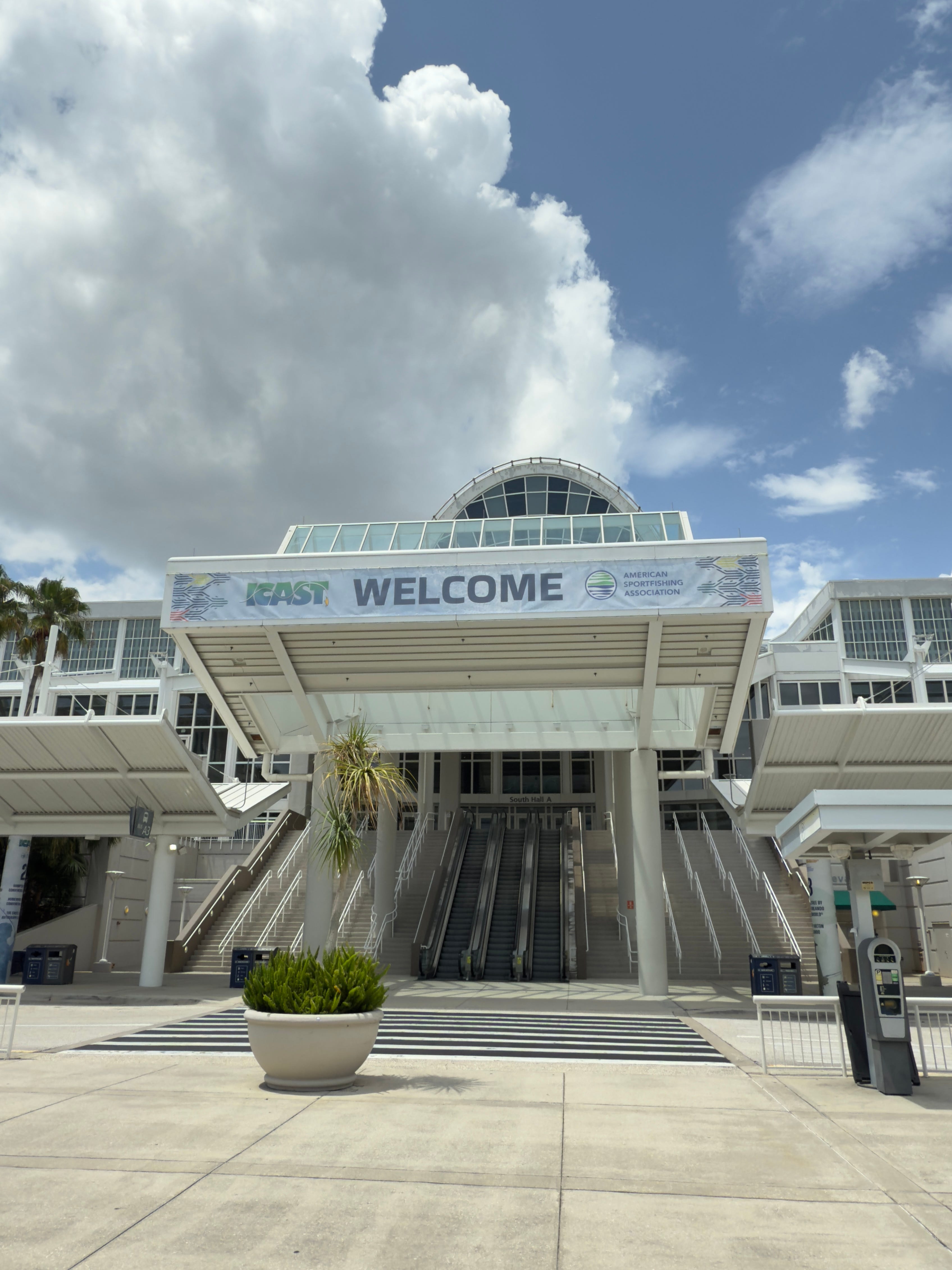
In “Break Out of the Bubble at ICAST,” FlyLab urges readers to step outside their comfort zones and engage with the broader fishing industry. The tone is optimistic, expansive, and almost corrective. If fly fishing wants relevance, the argument goes, it needs to show up where the rest of the tackle industry gathers.
But that framing dodges a more obvious question: why the ICAST interest in fly fishing?
ICAST is not just a trade show. It is the flagship revenue engine of the American Sportfishing Association (ASA), and that engine is sputtering. Attendance pressure, shrinking booth commitments, and the steady erosion of the traditional trade-show model have left ASA seeking new constituencies to stabilize a declining business. Fly fishing isn’t being courted for its values or leadership in conservation; it’s being courted because ASA needs bodies, brands, and credibility to prop up a show that no longer commands the impact and revenue it once did.
That context matters.
I attended ICAST last year. The fly fishing trade’s presence was marginal, weak, and lacked cohesion and energy. Fly fishing didn’t feel included; it was lip service with a casting pond and a new product showcase. The center of mass was elsewhere: high-volume gear, mass-market brands, participation metrics, and growth narratives untethered from ecological limits. Fly fishing wasn’t shaping the conversation; it was window dressing.
The departure of Pure Fishing underscores that reality. When the industry’s largest player decides the ROI of ICAST no longer justifies the expense, it’s not a fluke; it’s a signal. The old model of massive booths, sprawling convention halls, and centralized gatekeeping is breaking down. Brands know it, retailers know it, and many have already done the math and walked away. It’s why companies like Simms, Orvis, and Far Bank stopped attending. The only people pretending otherwise are the ones still dependent on the checks.
FlyLab’s pitch suggests that fly fishing is missing out by staying away. The real question isn’t why fly fishing isn’t more present at ICAST; it’s whether ICAST, as currently constructed, has any interest in what fly fishing brings to the table beyond optics.
Layer conservation on top of that, and the picture gets darker.
Nowhere is the underlying conflict clearer than in the Atlantic striped bass fishery. While anglers across the East Coast watch stripers shrink in abundance, ASA aligned itself with positions that weaken conservation measures, resist meaningful harvest reductions, and reframe biological limits as threats to “opportunity.” In recent legislative fights, ASA has supported or tolerated policies that conservation advocates argue would undermine science-based management and delay rebuilding, policies that benefit short-term participation and industry sales at the expense of long-term fish populations.
This is not abstract. It is not theoretical. It is happening right now.
FlyLab’s promotion never grapples with that contradiction. Instead, it presents ICAST as a neutral crossroads where good actors gather, and ideas flow freely. That’s a comforting story, but it’s not honest. ICAST is a lobbying nexus. Its agenda is shaped by those who pay for floor space, sponsorships, and influence. And right now, fly fishing is being invited in not to lead, but to subsidize.
Which makes the call to “break out of the bubble” feel backwards.
If you’re a fly fishing brand, especially one that claims conservation as a core value, the smarter question is not how to help revive a declining legacy trade show, but where your time, money, and presence matter. Increasingly, that answer looks nothing like ICAST and far more like a show like Switchback. A smaller, modern retailer-focused show that is aligned with how specialty outdoor businesses operate now.
The traditional trade show model is dead. What’s left are attempts to delay the funeral by pulling in adjacent communities and rebranding the same old pitch as “inclusion” or “growth.” Fly fishing doesn’t need that. It doesn’t need to lend its credibility, culture, or conservation language to an organization whose primary goal is to help anglers put more fish in the cooler and keep its marquee event afloat.
The fly fishing community likes to believe we’re different, more selective, more thoughtful, more conservation-minded. FlyLab gestures at that identity but then asks those same brands to leave it at the door and enjoy the show. The invitation to “break out of the bubble” quietly assumes the bubble is the problem, not the systematic erosion of conservation standards in the name of growth.
Here’s the harder truth: sometimes the bubble exists because people are paying attention.
We’ve watched fisheries decline while press releases stay optimistic. We’ve seen “access” weaponized against science. We’ve walked the show floor and seen who has the power, who gets the space, and who has the biggest voice in the hall.
If FlyLab wants to challenge its readers, it should start not with a glossy invitation to ICAST, but with an honest reckoning of what ASA represents today, what kind of fishing future it’s actively shaping, and why any brand or angler who cares about conservation should be deeply skeptical of cheerleading that ignores their policy record and the on-the-ground reality.